20 Easy Casserole Recipes for Every Meal
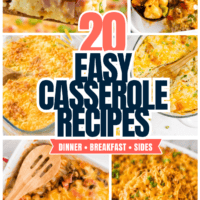

If there’s one kind of dinner I come back to over and over again, it’s casseroles. One dish, everything in it, and enough to feed two teenage boys who somehow finish a 9×13 pan and ask what’s for dessert.
These are the casseroles my family and readers make on repeat. They’re the weeknight dinners, the breakfast bakes I pull together the night before a holiday morning, and the side dishes that disappear first at every potluck. I’ve made every one of these in my own kitchen, and I’ve kept only the ones worth the pan you have to wash later.
You’ll find easy dinner casseroles, breakfast and brunch bakes, and side dish casseroles. Jump to whatever you need.
Table of contents
Why These Casseroles Work
Three things make a casserole actually earn a spot in the rotation:
- They come together with real grocery store ingredients — nothing you have to hunt down, and usually a few pantry staples plus one main protein or vegetable.
- They reheat well — a casserole that’s sad the next day isn’t worth making. These are the ones that are just as good as leftovers.
- It scales for a crowd without extra work — the same recipe that feeds my family on a Tuesday stretches to a potluck or holiday table by doubling it into a bigger pan.
Every recipe here hits all three. I’ve made them at actual family dinners and holidays and kept only the ones that get asked for again.
What Makes a Great Casserole?
A casserole done right is more than “throw it in a dish and bake.” The good ones share a few things:
- A sauce —some kind of sauce, mixture, or cheese that ties the ingredients together instead of a dried-out brick.
- A texture contrast — a crisp, cheesy, or golden top over a delicious inside, whether that’s cheese, crushed crackers, tots, or french-fried onions.
- Balanced Ingredients — a protein, a starch or vegetable, and something rich, so a single scoop is a complete bite.
- Make-ahead friendliness — the best casseroles can be assembled early, or frozen and baked later, which is the whole point on a busy night.
The difference between a great casserole and an average one usually comes down to seasoning and not overbaking. A casserole that sits in the oven too long dries out at the edges. I’d rather pull it a few minutes early and let it rest than push it past the point where the sauce goes tight.
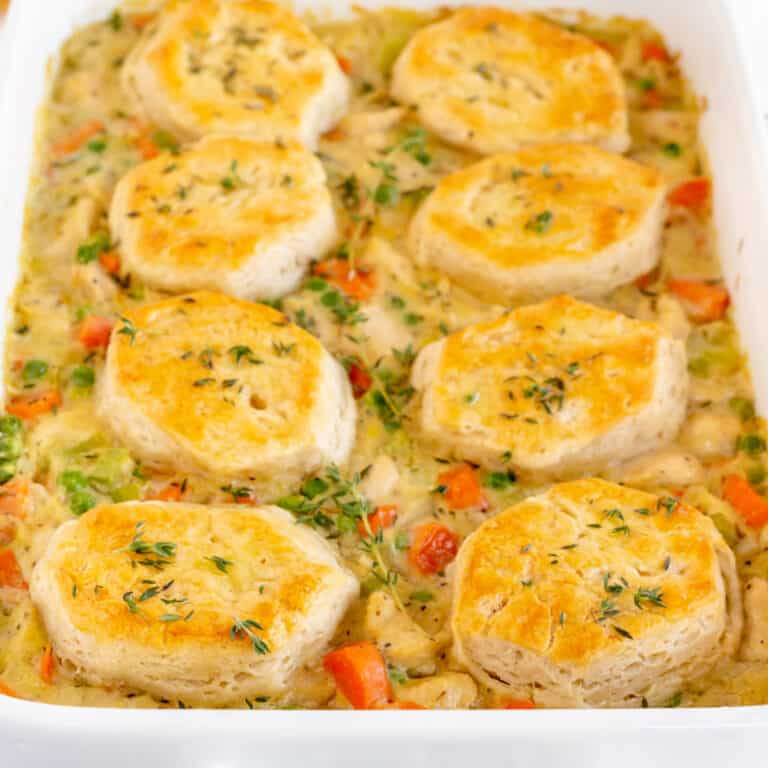
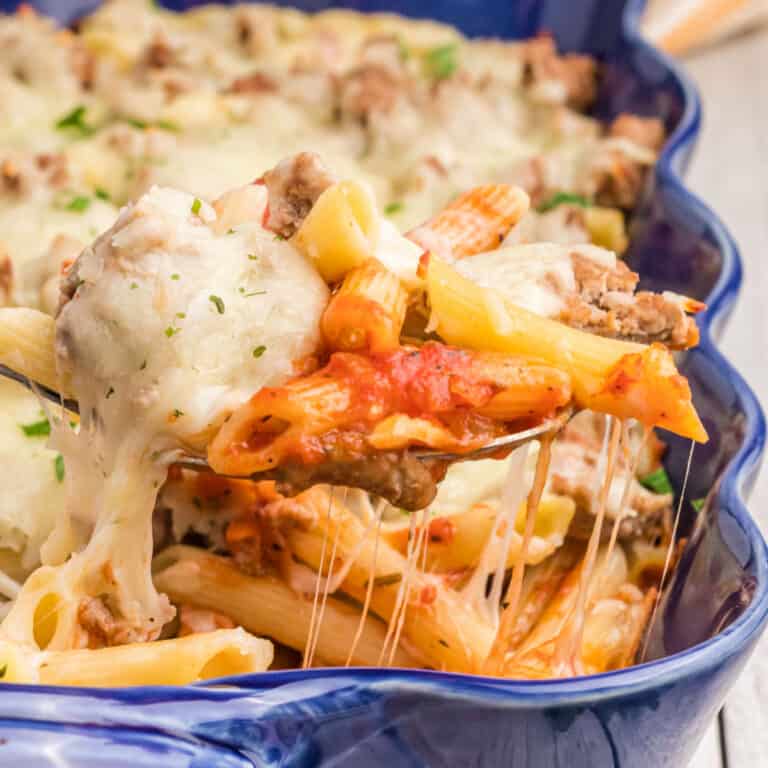
Easy Dinner Casseroles
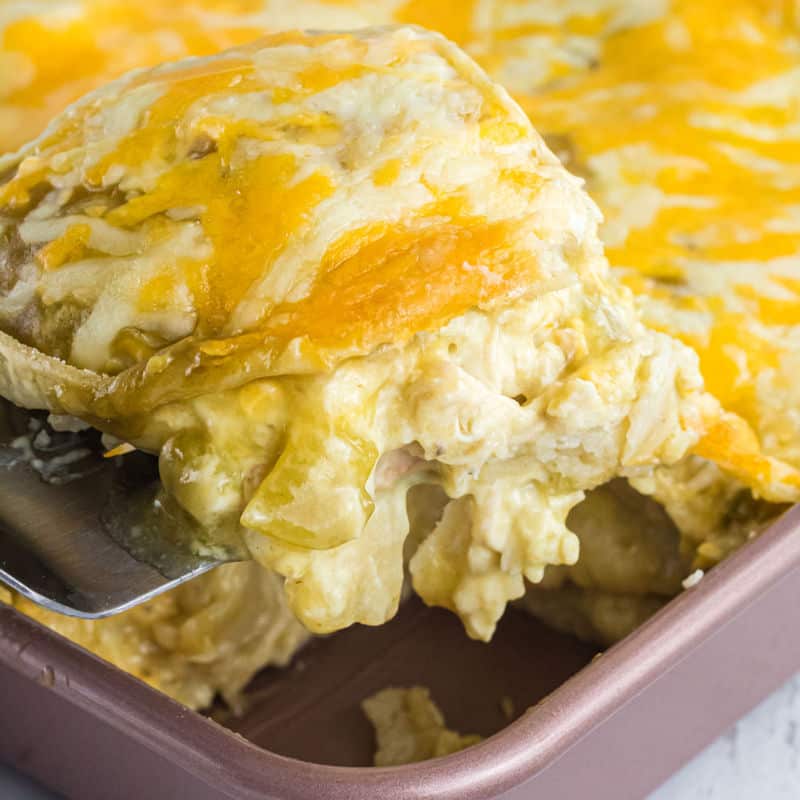
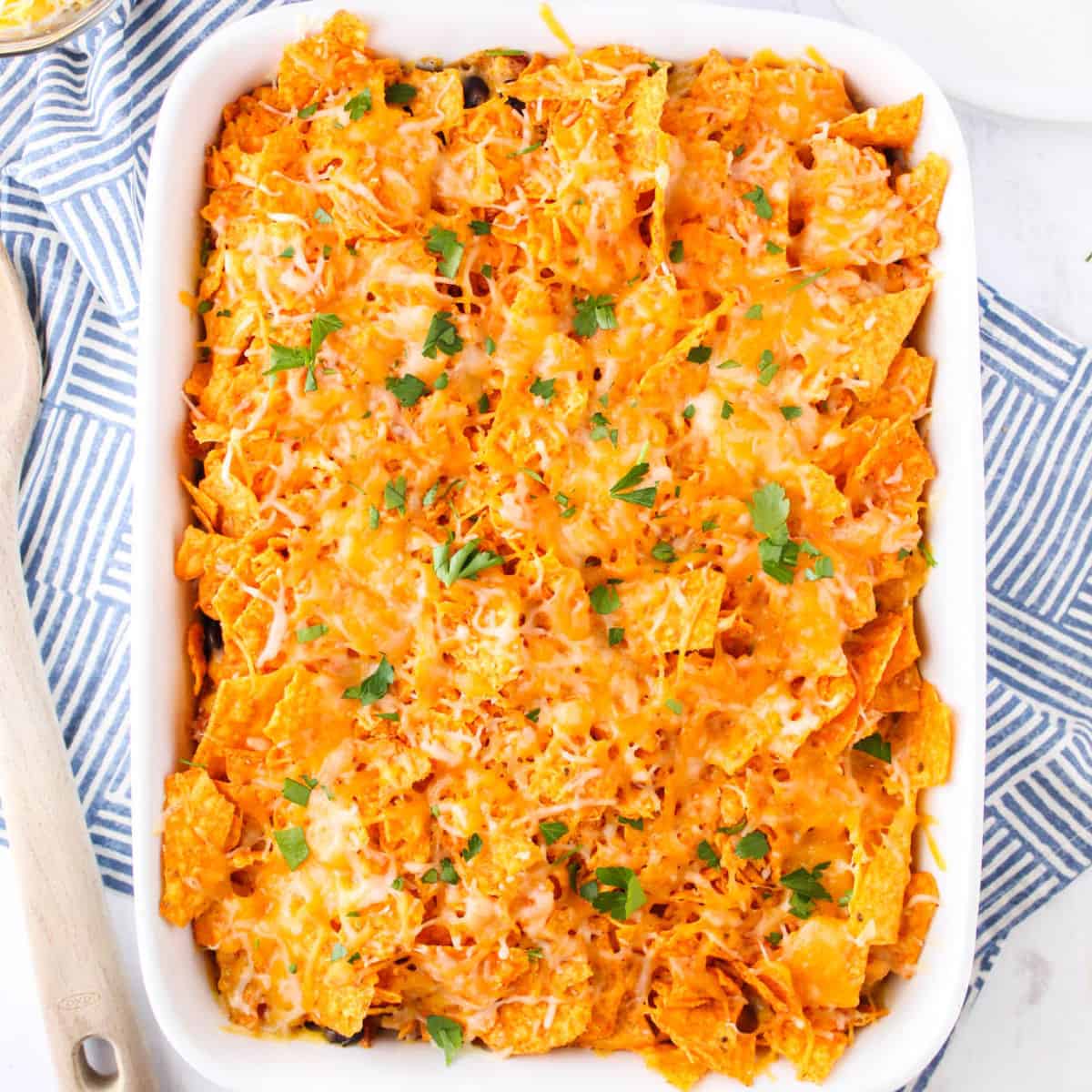
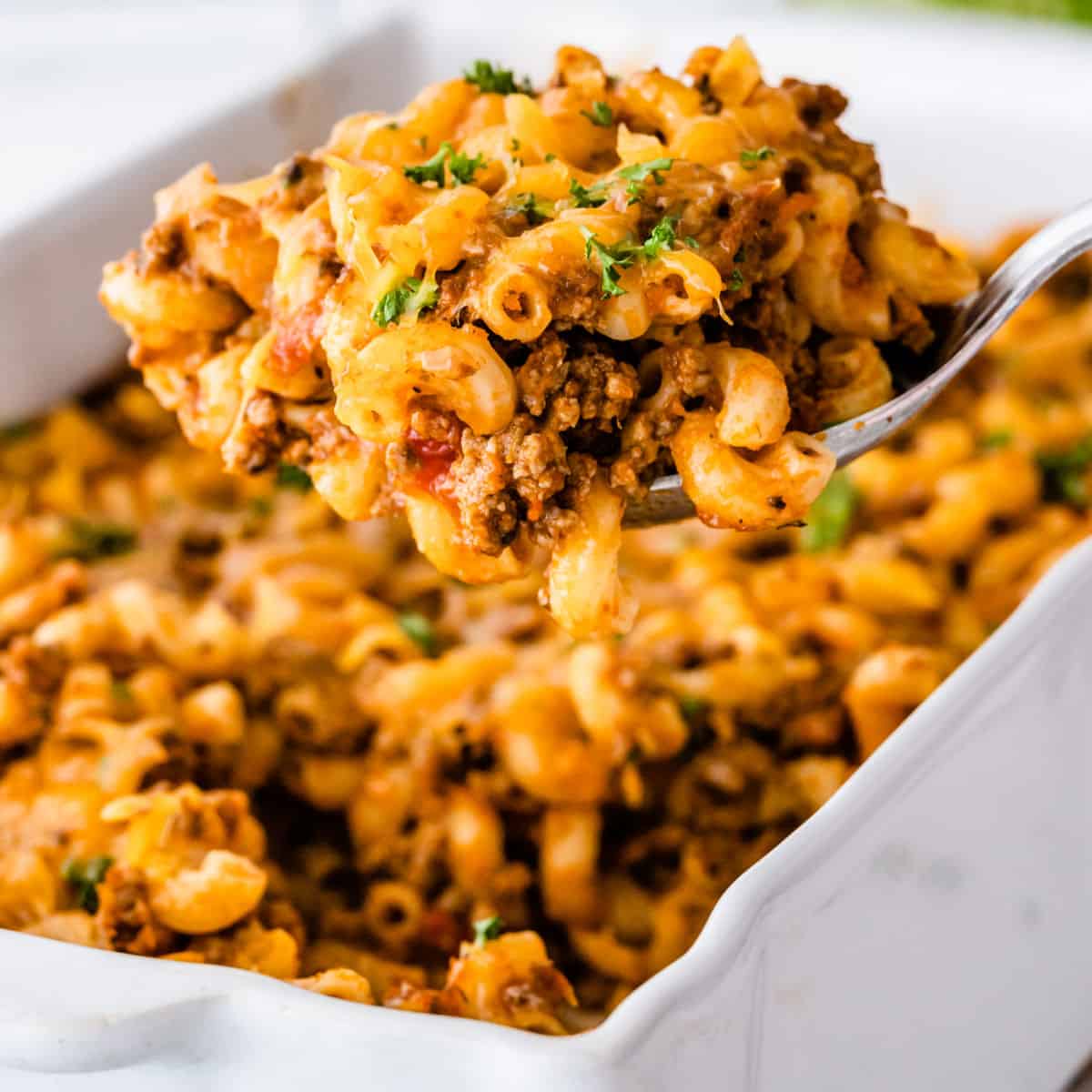
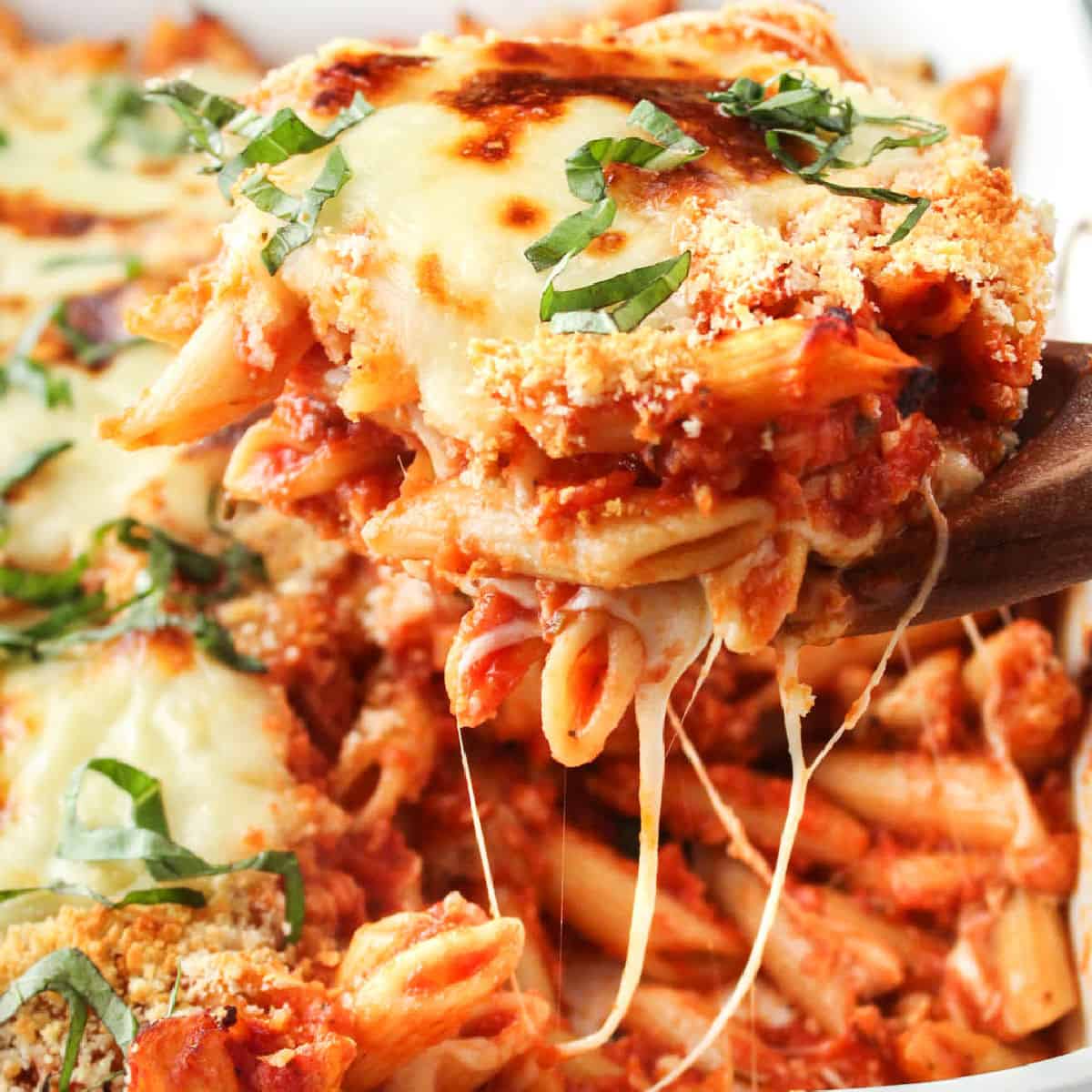
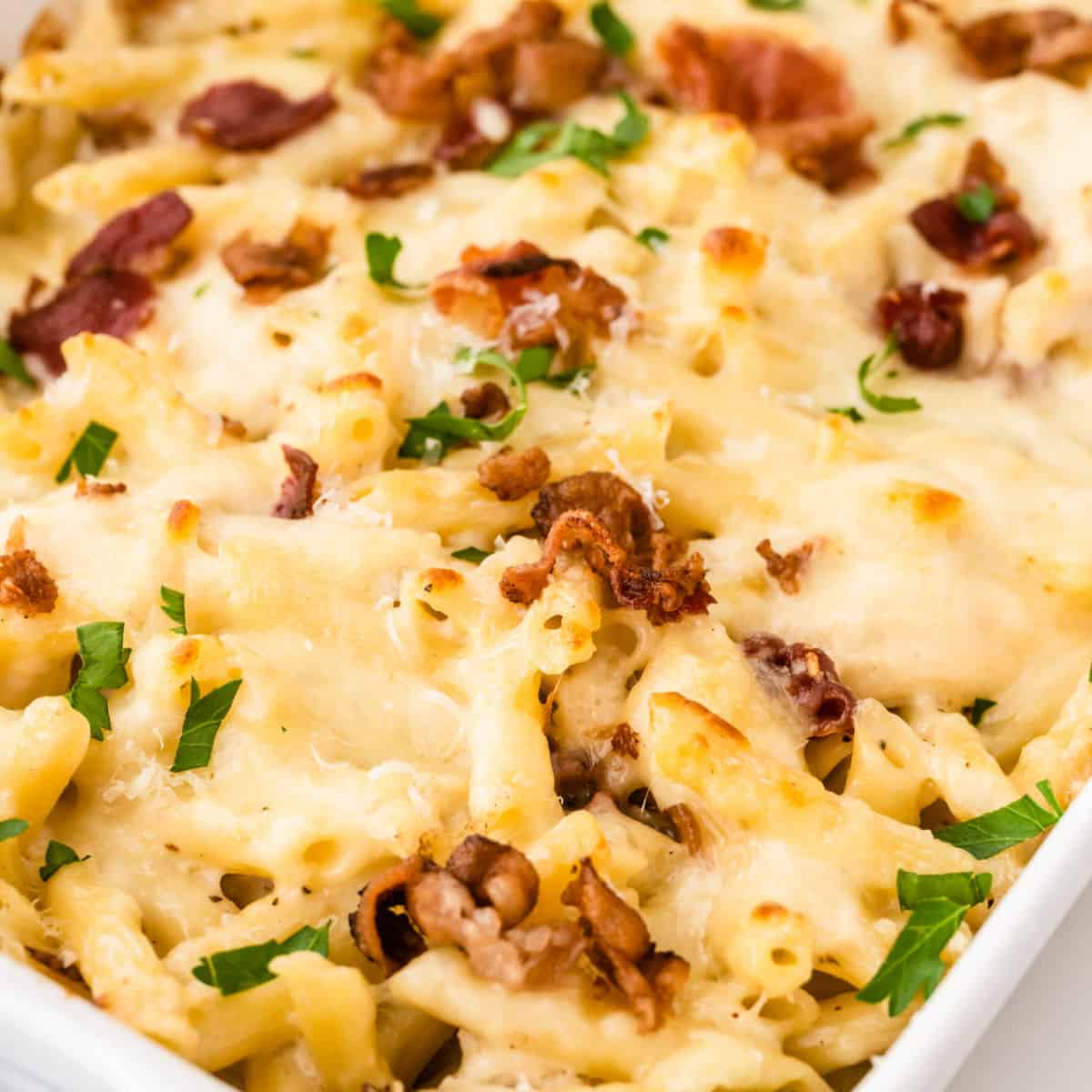
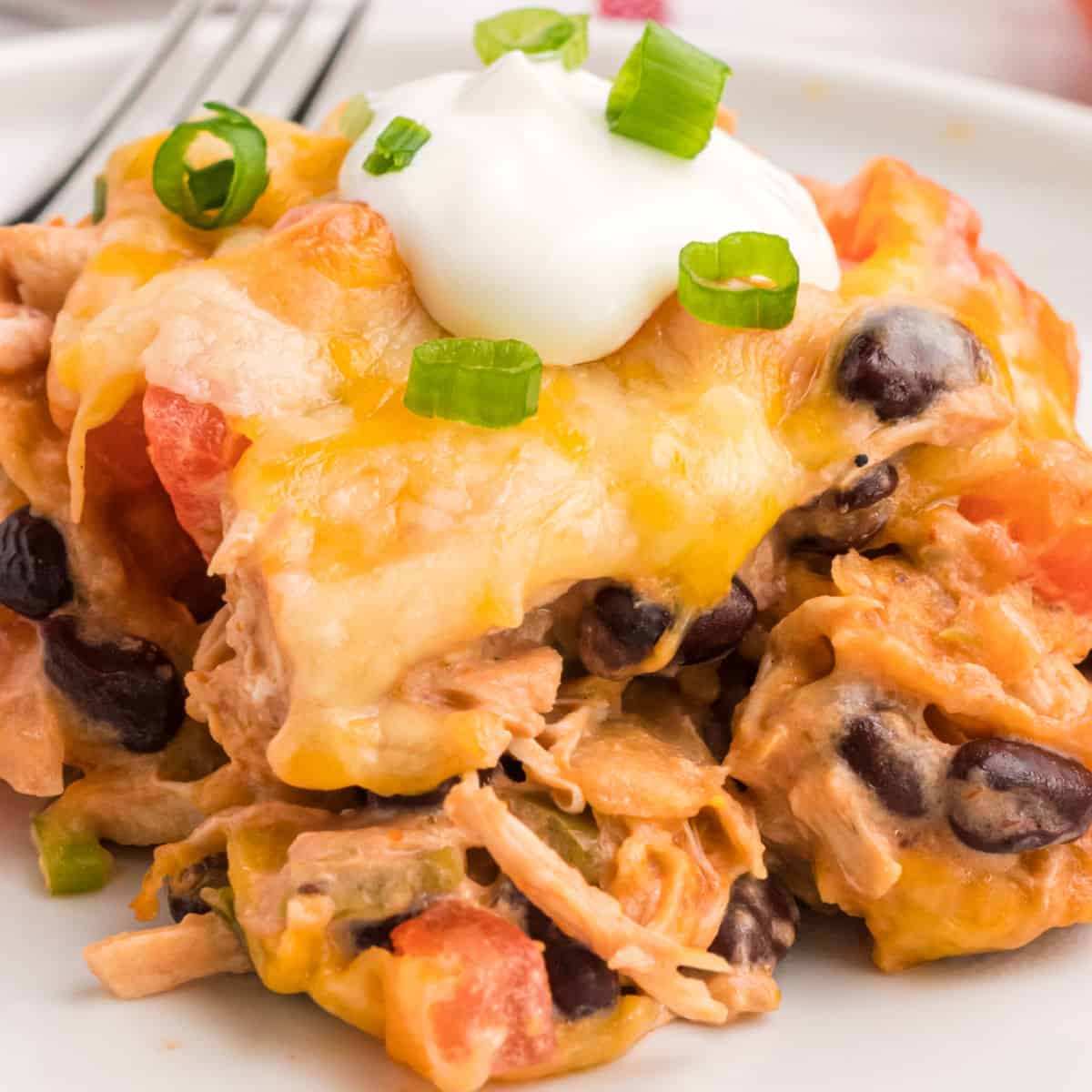
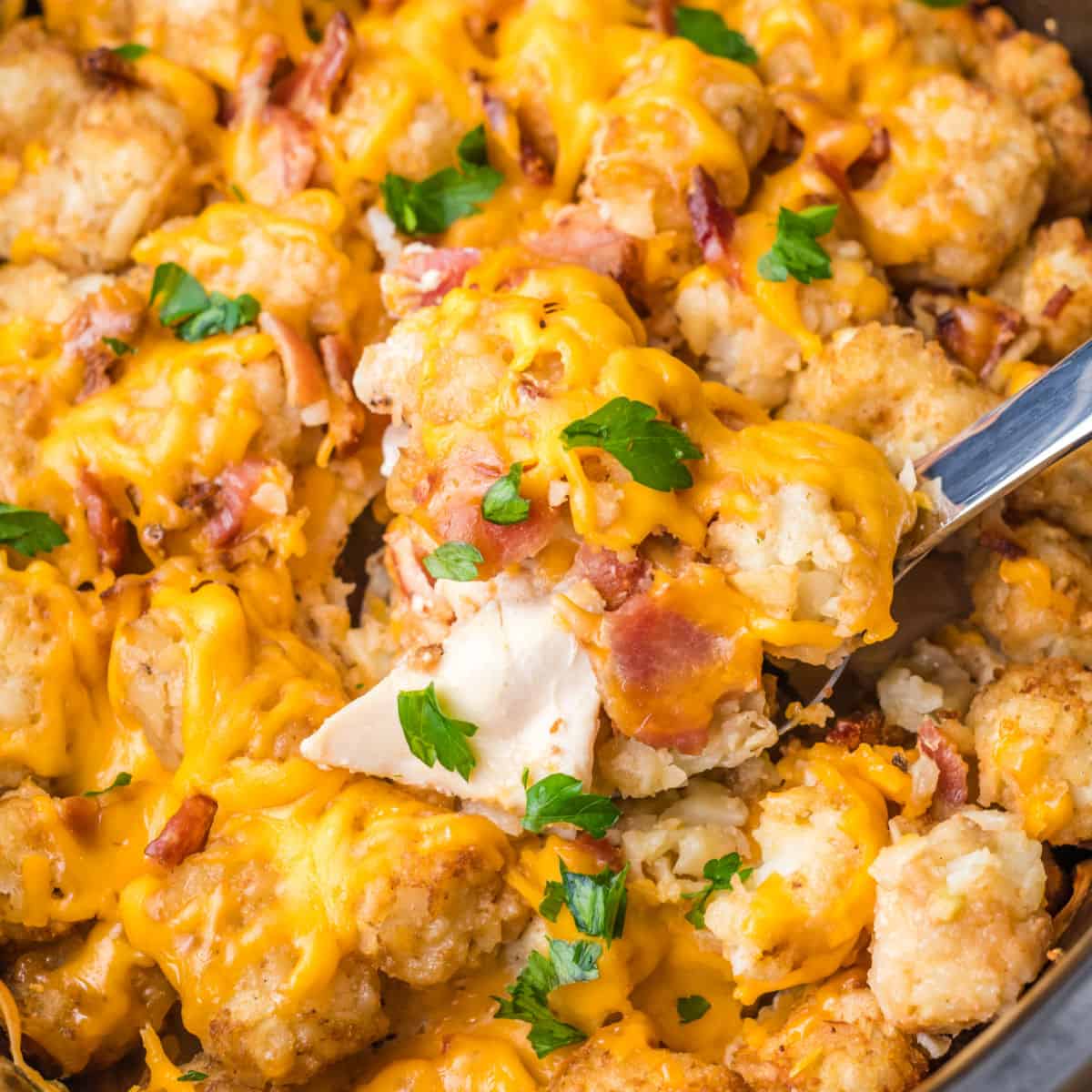
These are the weeknight staples I make on repeat. Most come together fast enough for a school night, and they’re the ones my kids actually ask for over and over.


Breakfast & Brunch Casseroles
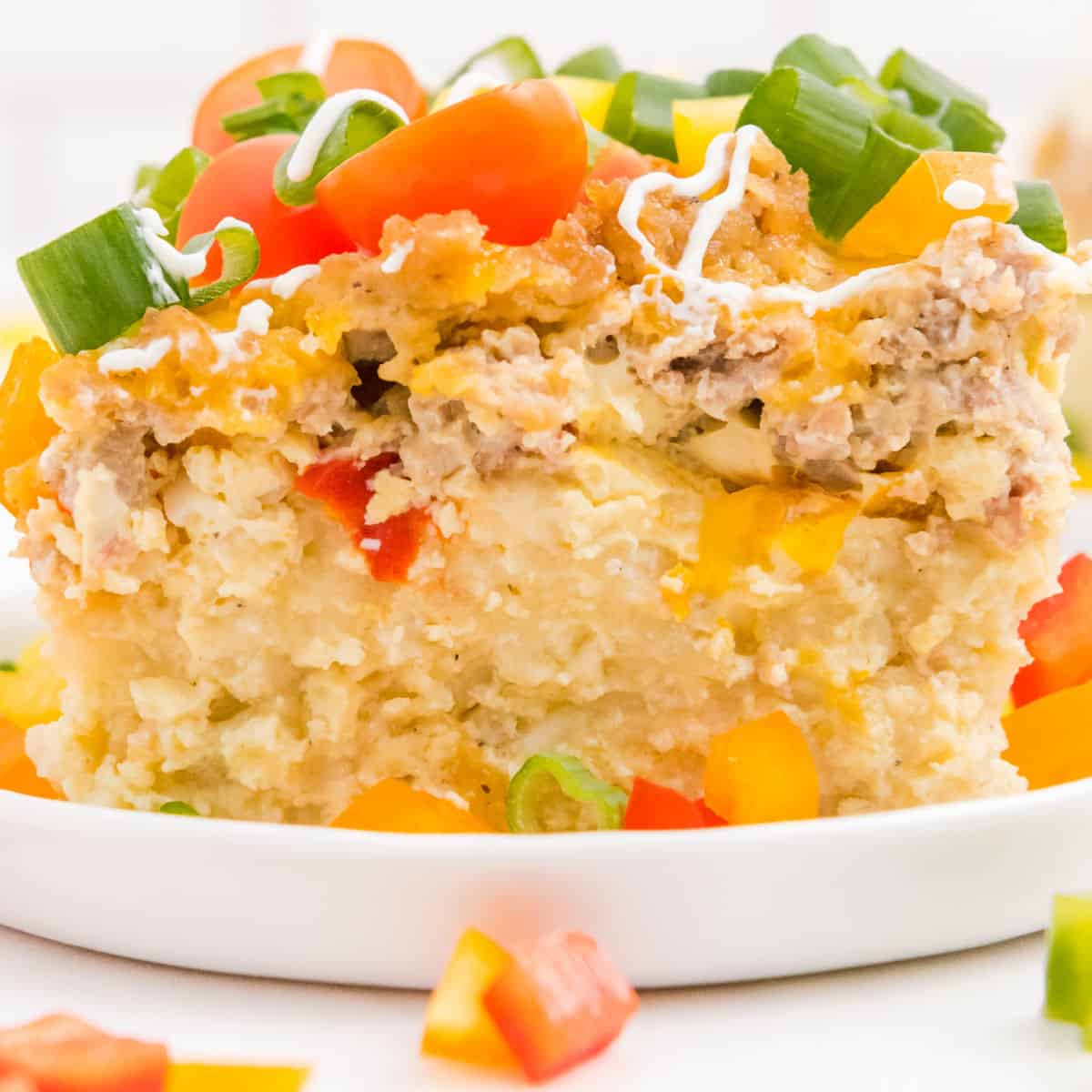
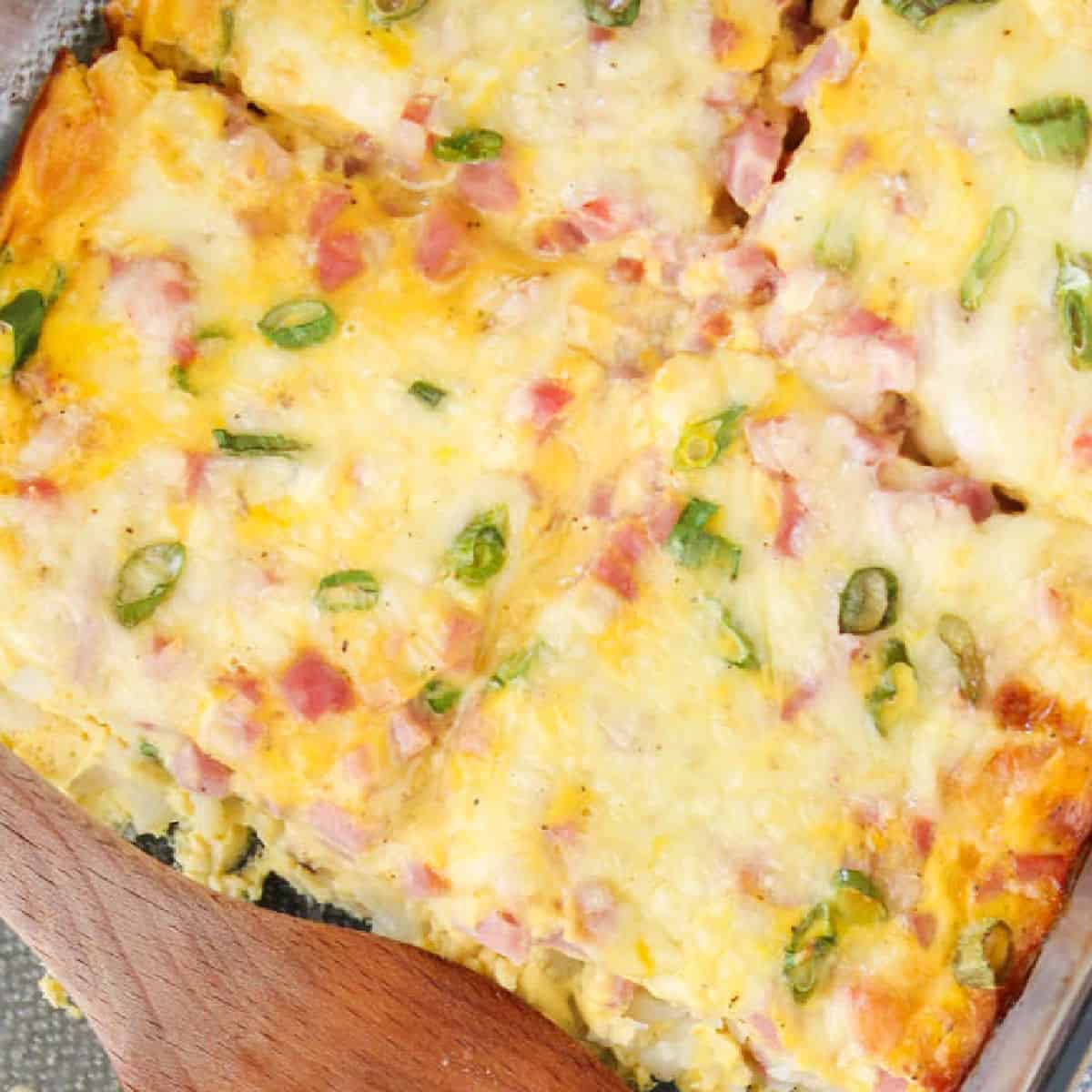
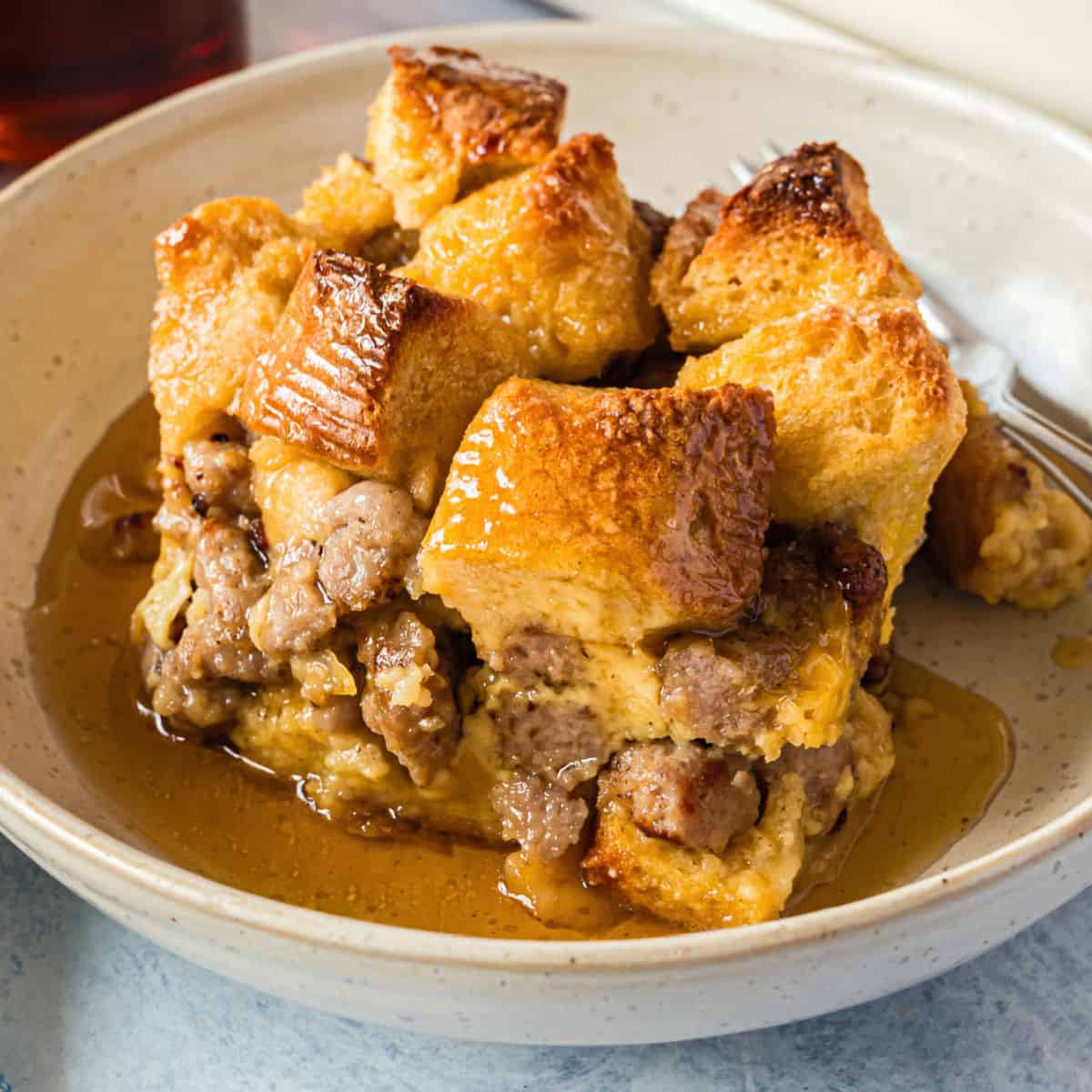
These casseroles are my holiday-morning lifesavers. Almost every one of them can be prepped the night before, so all you have to do is bake it while the coffee brews. They’re built for feeding a full table on Christmas morning, over a long weekend, or any time you want breakfast without standing at the stove.


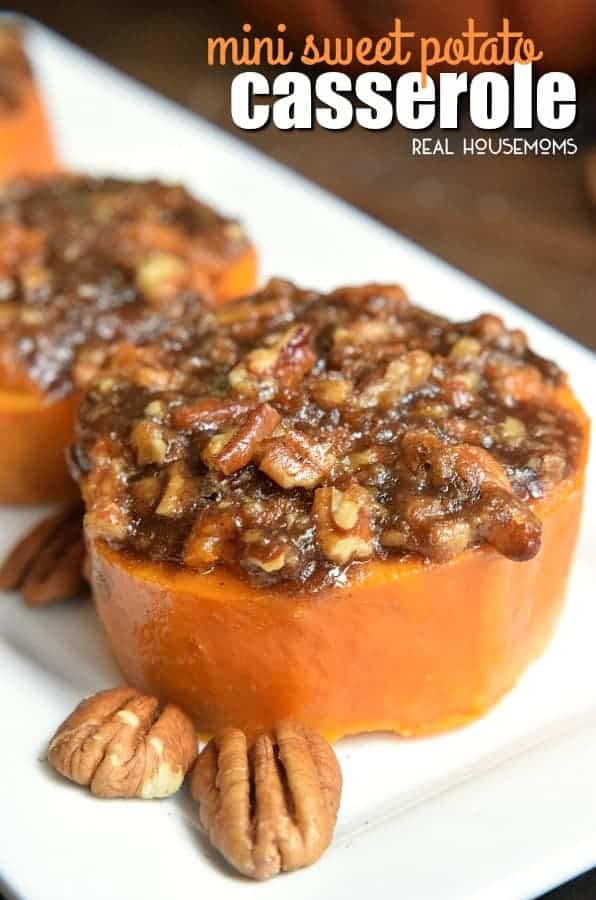
Side Dish Casseroles
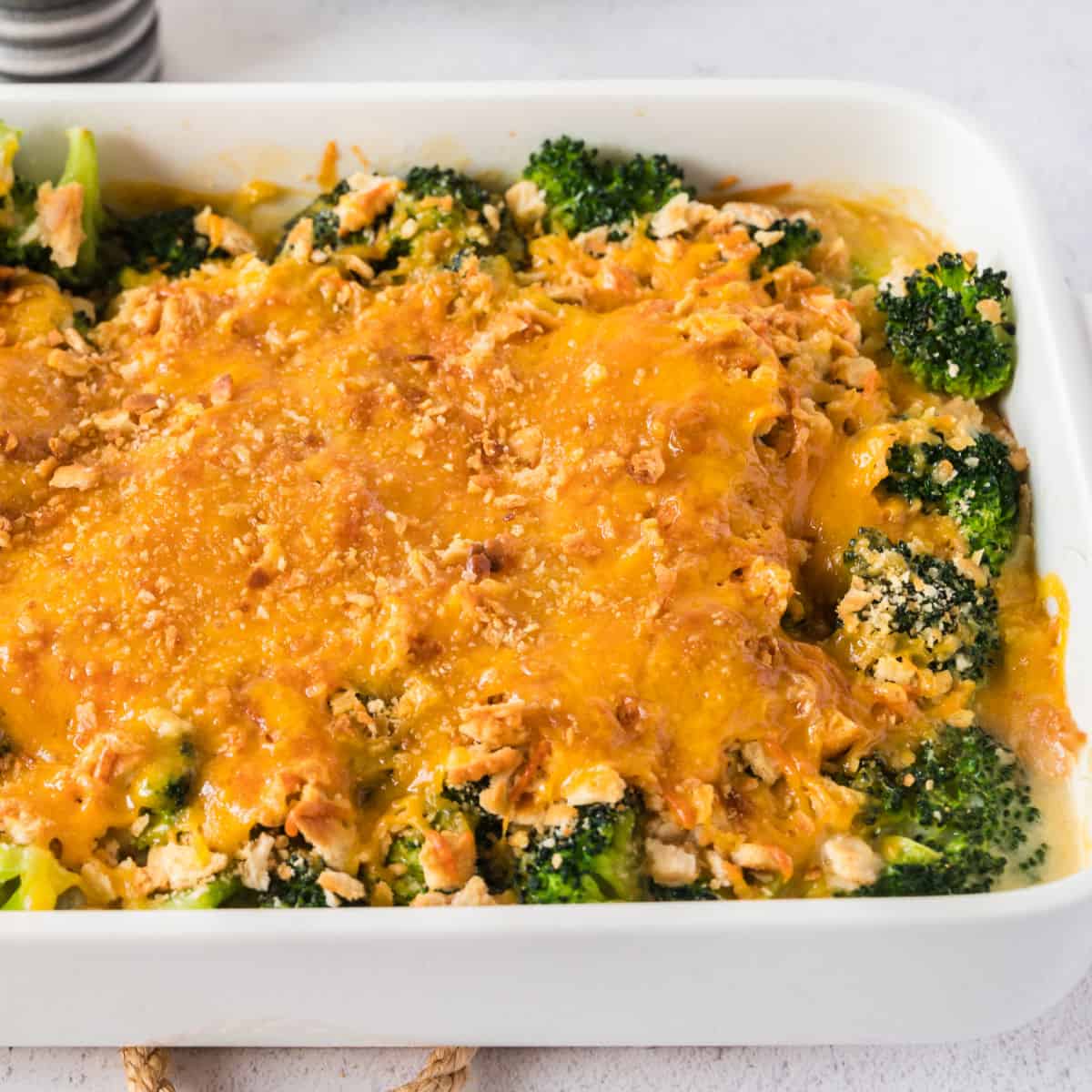
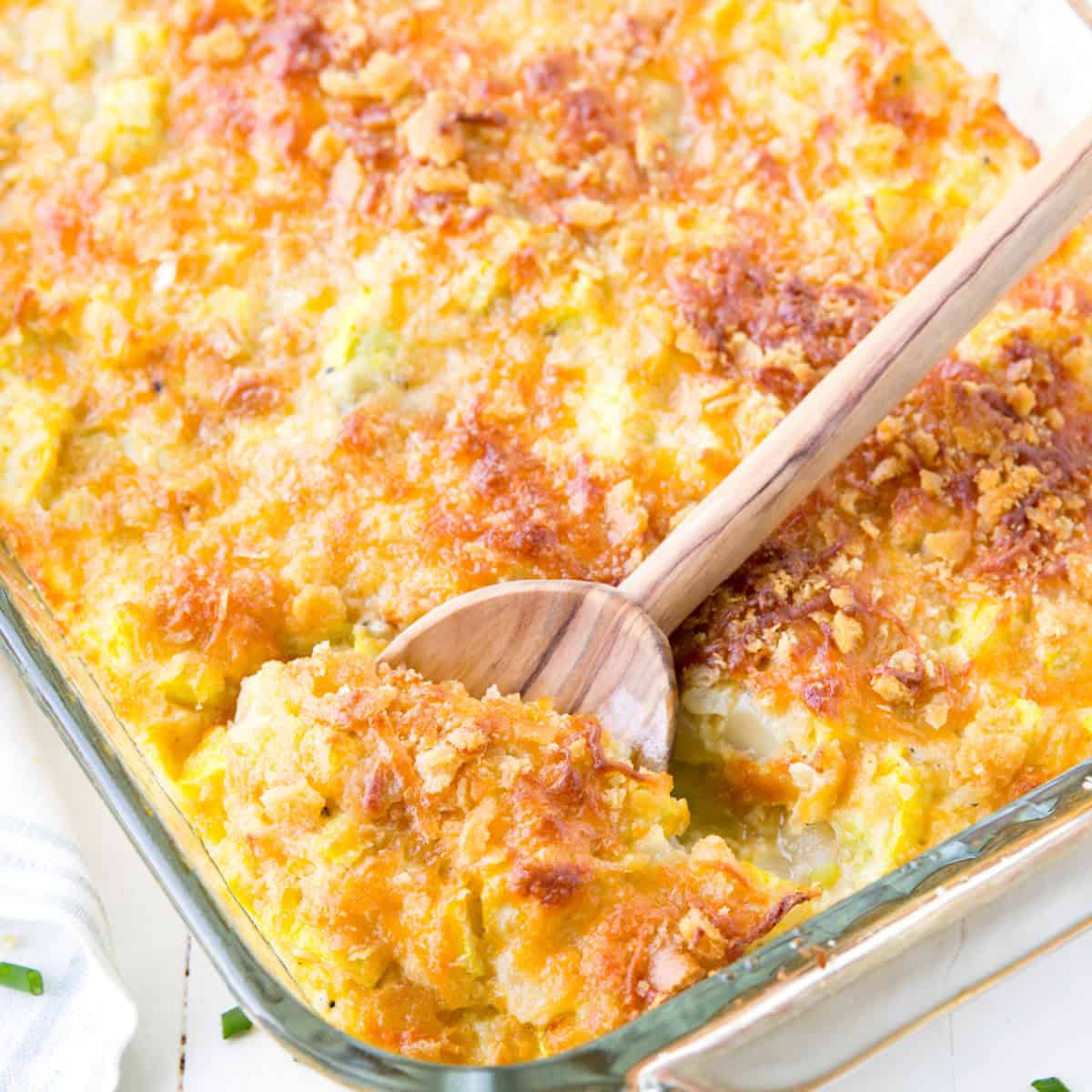
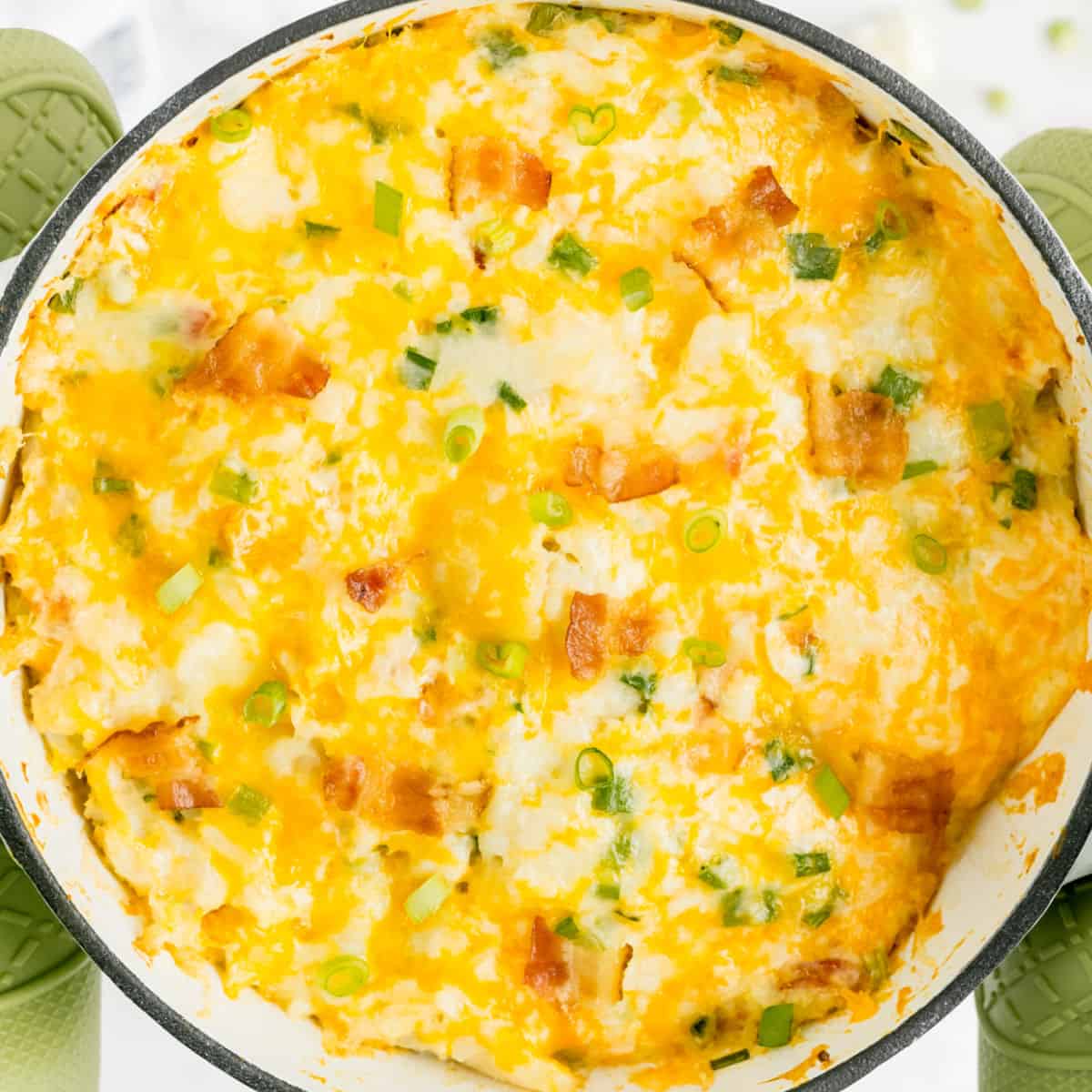
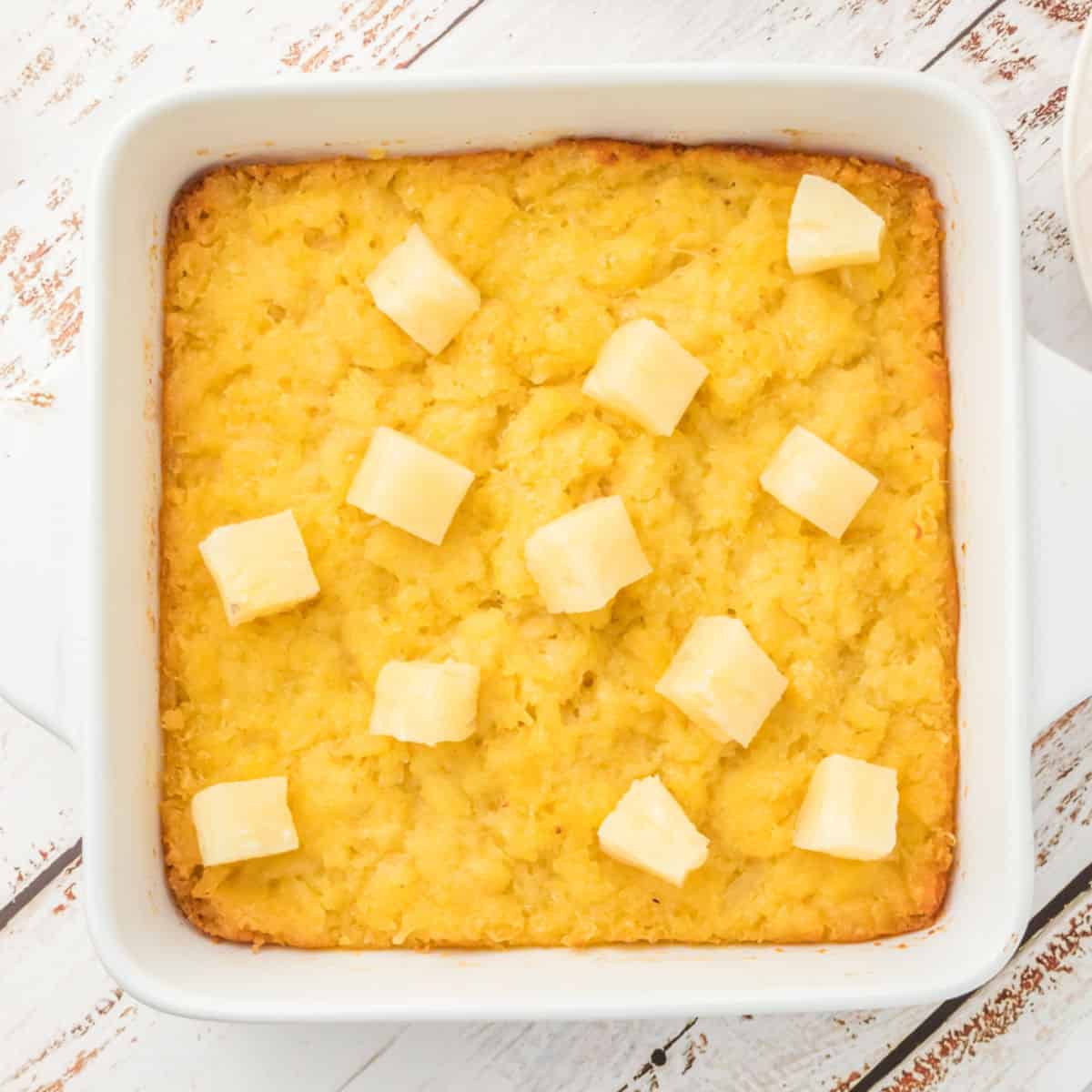
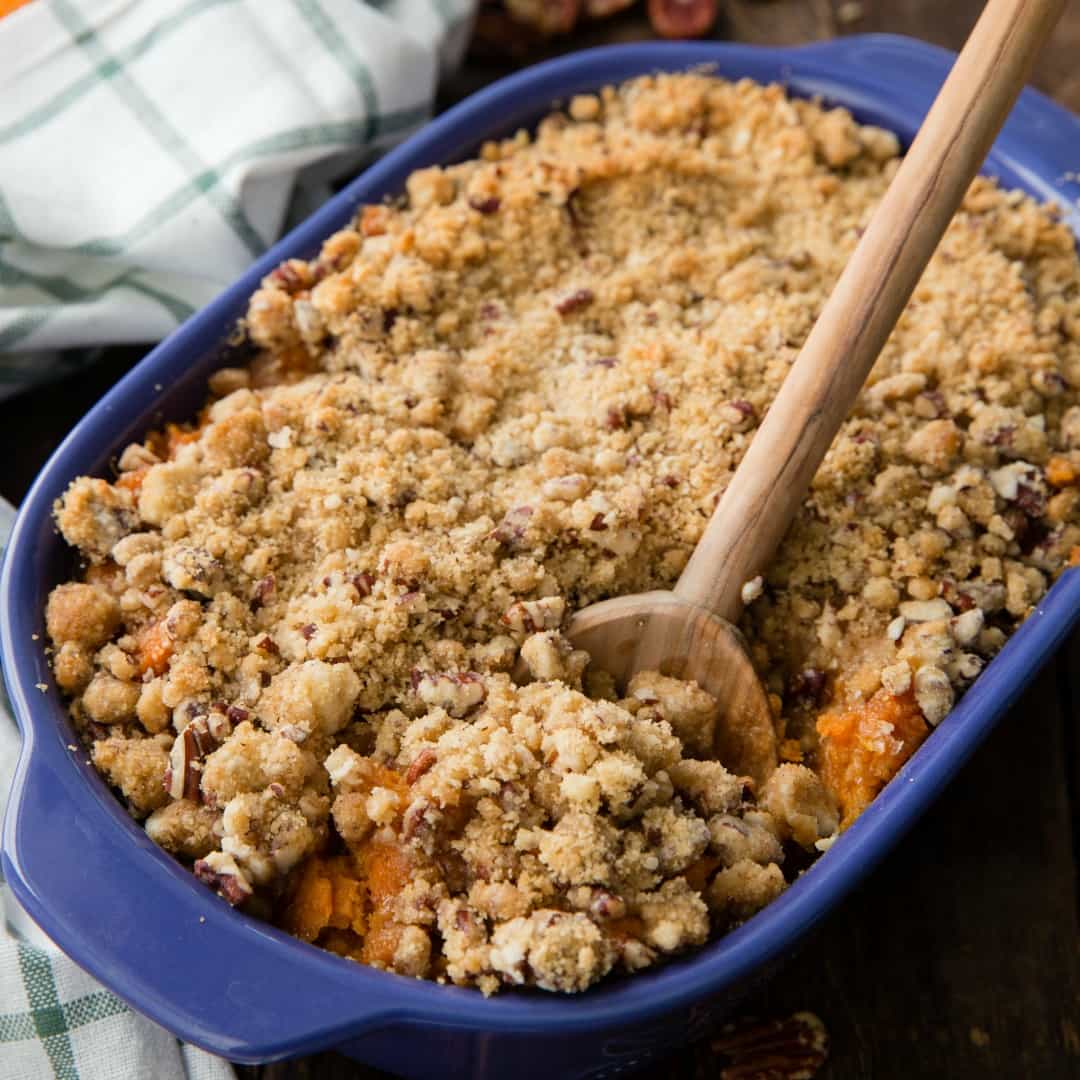
These are usually the first to go at holiday potlucks. There are holiday-table staples here, but several are easy enough to make as part of your weeknight dinner. They’re great for potlucks and reheat beautifully, which is exactly what you want from a side dish.
Tips for the Best Casseroles
After making a lot of these over the years, here are the tips I wish someone had told me early on:
1. Assemble ahead, but add crunchy toppings right before baking. Most casseroles can be built a day early and refrigerated, but hold back crackers, tater tots, french-fried onions, or chips until you’re ready to bake. Stirred in early, they go soggy; added at the end, they stay crisp.
2. Take a cold casserole out of the fridge while the oven preheats. A dish that goes straight from the fridge to a hot oven bakes unevenly and takes longer. Letting it sit on the counter for the 15–20 minutes it takes the oven to heat helps it cook through in the time the recipe says. That’s how I broke a casserole dish in my oven one Christmas. The entire house was filled with smoke. Whoops!
3. Cover with foil for most of the bake, then uncover to brown. Foil keeps the middle from drying out while everything heats through, and pulling it off for the last stretch is what gives you that golden, bubbly top. If your topping is browning too fast, tent the foil back on.
4. Under-bake before you over-bake. The most common casserole mistake is leaving it in too long “to be safe.” Once the center is hot and the edges bubble, it’s done. A few extra minutes past that is what turns the edges dry and rubbery.
5. Let it rest before serving. Ten minutes on the counter lets a casserole set up so it scoops cleanly instead of sliding around the plate. This matters most for saucy, cheesy bakes that need a minute to firm.
How to Make Casseroles Ahead and Freeze Them
Casseroles are some of the most make-ahead-friendly foods there are, which is why they’re my dinner secret weapon.
- Assemble and refrigerate: Build the casserole (topping held back), cover tightly, and keep it in the fridge for up to a day before baking. Add extra time to the bake if it’s going in cold.
- Freeze before baking: Assemble in a freezer-safe dish, wrap well (think plastic wrap topped with foil), and freeze unbaked. Thaw overnight in the fridge before baking for the best texture.
- Freeze leftovers: Most baked casseroles freeze well in portions — great for lunches and busy nights.
One thing I’d avoid: freezing anything with a crunchy topping already on it. Add crackers, tots, or fried onions fresh when you bake, or they’ll turn to mush.
What to Serve With a Casserole
A casserole is usually the whole meal, but the right sides round it out:
- A crisp green salad cuts the richness of a cheesy bake.
- Crusty bread or garlic bread is perfect for pasta and saucy casseroles, and my personal favorite.
- Steamed or roasted vegetables balance a heavier dinner casserole.
- Fresh fruit brightens up a breakfast or brunch bake.
Casserole FAQ
What size dish do most casseroles use?
A standard 9×13-inch baking dish is the workhorse for most of these and generally feeds a family with leftovers. Smaller bakes may use an 8×8, and each recipe lists the dish it was tested in.
What’s an easy casserole for a beginner?
Start with something forgiving like hamburger casserole, sloppy joe casserole, or simple broccoli casserole. They use everyday ingredients, don’t require any special technique, and are hard to mess up.
Can I double a casserole for a crowd?
Most of these scale up well — double the ingredients into a larger or second pan. A deeper dish will need more time in the oven, so check the center is hot before pulling it.
If you make any of these, leave a star rating on the recipe — those ratings keep me going and help other readers find the good ones. And if your family has a casserole they beg for on repeat, drop it in the comments. I’m always looking for the next one to test and add to the rotation.